One of the most common — and costly — mistakes automotive business owners make is selecting the minimum required coverage limits to save on premiums. When a serious claim arrives, those minimums often fall far short of what's needed to cover legal fees, settlements, and damages. Choosing the right garage liability limits requires understanding your specific exposures, the value of your assets, and the realistic cost of claims in your industry.
What Are Garage Liability Coverage Limits?
Garage liability insurance is structured around two key limit figures:
- Per-occurrence limit: The maximum your insurer will pay for any single claim or incident.
- General aggregate limit: The total maximum your insurer will pay across all claims during the policy period (typically one year).
A common starting point for small shops is a $1,000,000 per occurrence / $2,000,000 aggregate policy. However, whether that's sufficient depends heavily on the nature and scale of your operations.
Why Minimum Limits Are Often Insufficient
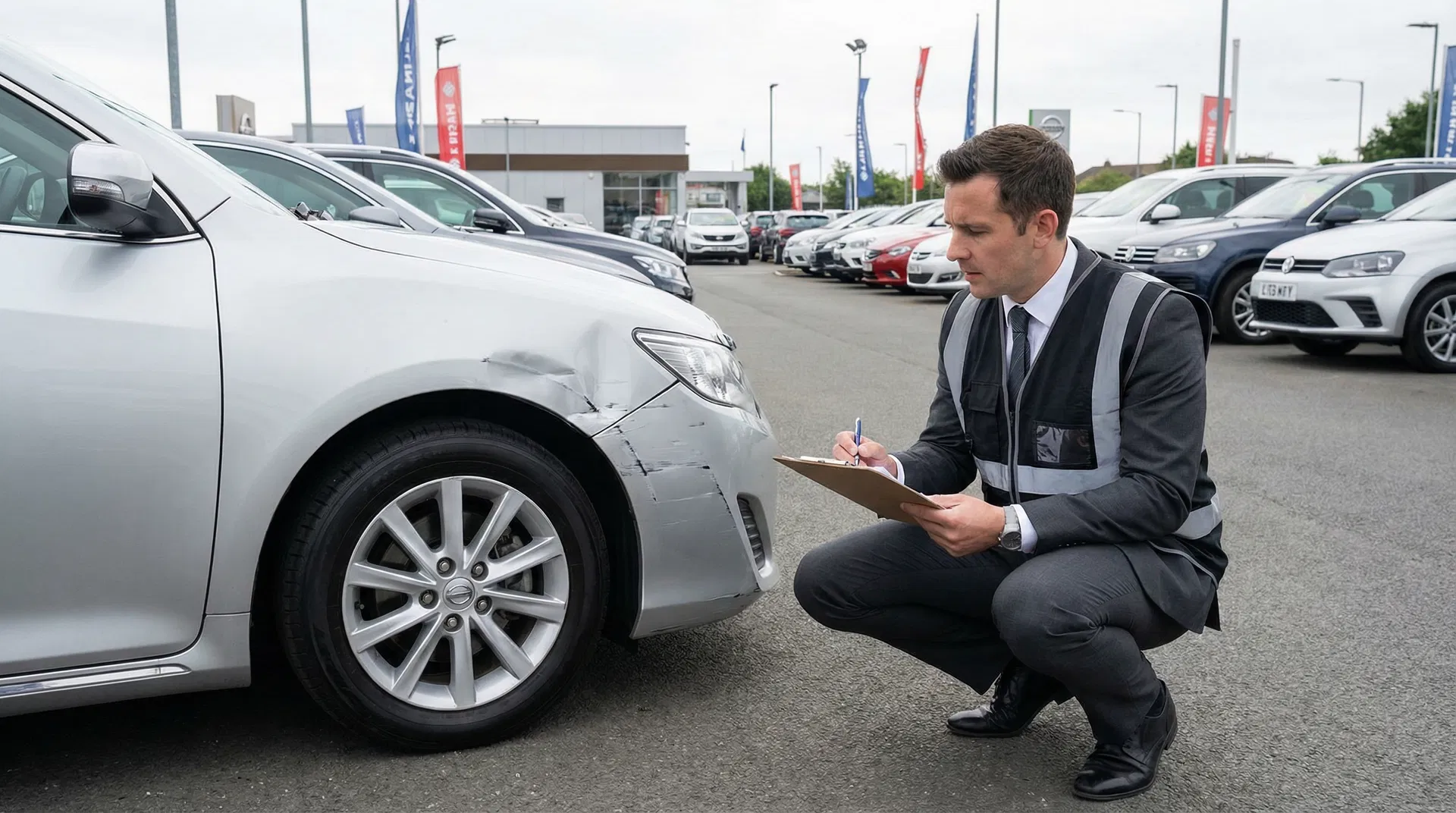
State licensing requirements and lender agreements often mandate minimum coverage levels — but these minimums are designed to protect third parties, not your business. Consider a scenario where a customer's vehicle is damaged during a test drive by one of your employees, resulting in a serious accident that injures a pedestrian. Between vehicle repair costs, medical expenses, lost wages, and legal defense fees, a single claim can easily exceed $500,000. If your per-occurrence limit is only $300,000, your business is personally responsible for the remainder.
"The purpose of insurance is not to meet the minimum — it's to protect the maximum value you've built."
Factors That Should Influence Your Limit Selection
1. Annual Revenue and Business Size
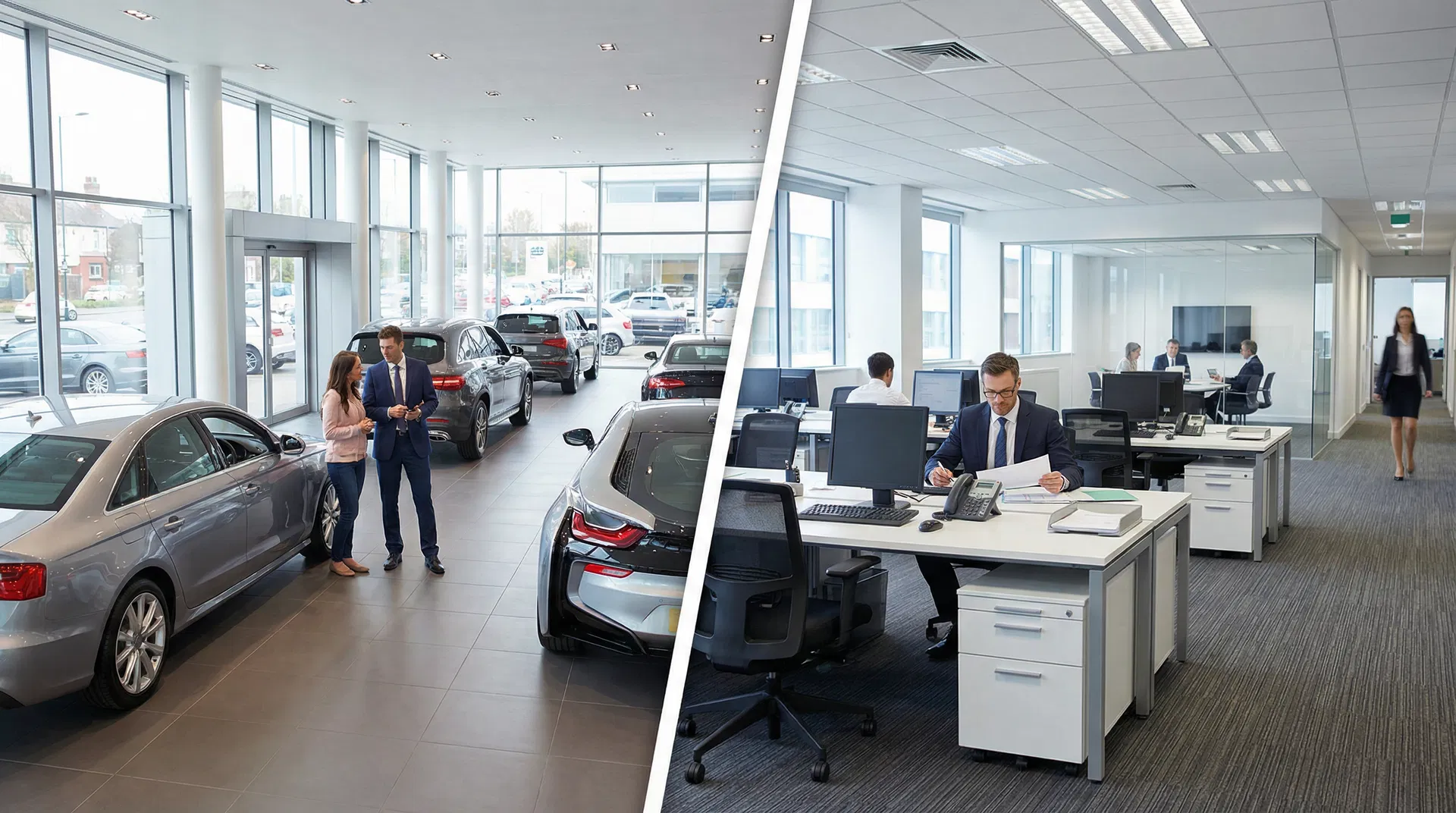
As a general rule, your aggregate liability limit should be at least equal to your annual gross revenue. A dealership generating $5 million per year in sales has significantly more exposure — and more assets worth protecting — than a two-bay repair shop. Larger operations attract larger lawsuits.
2. Number of Employees and Drivers
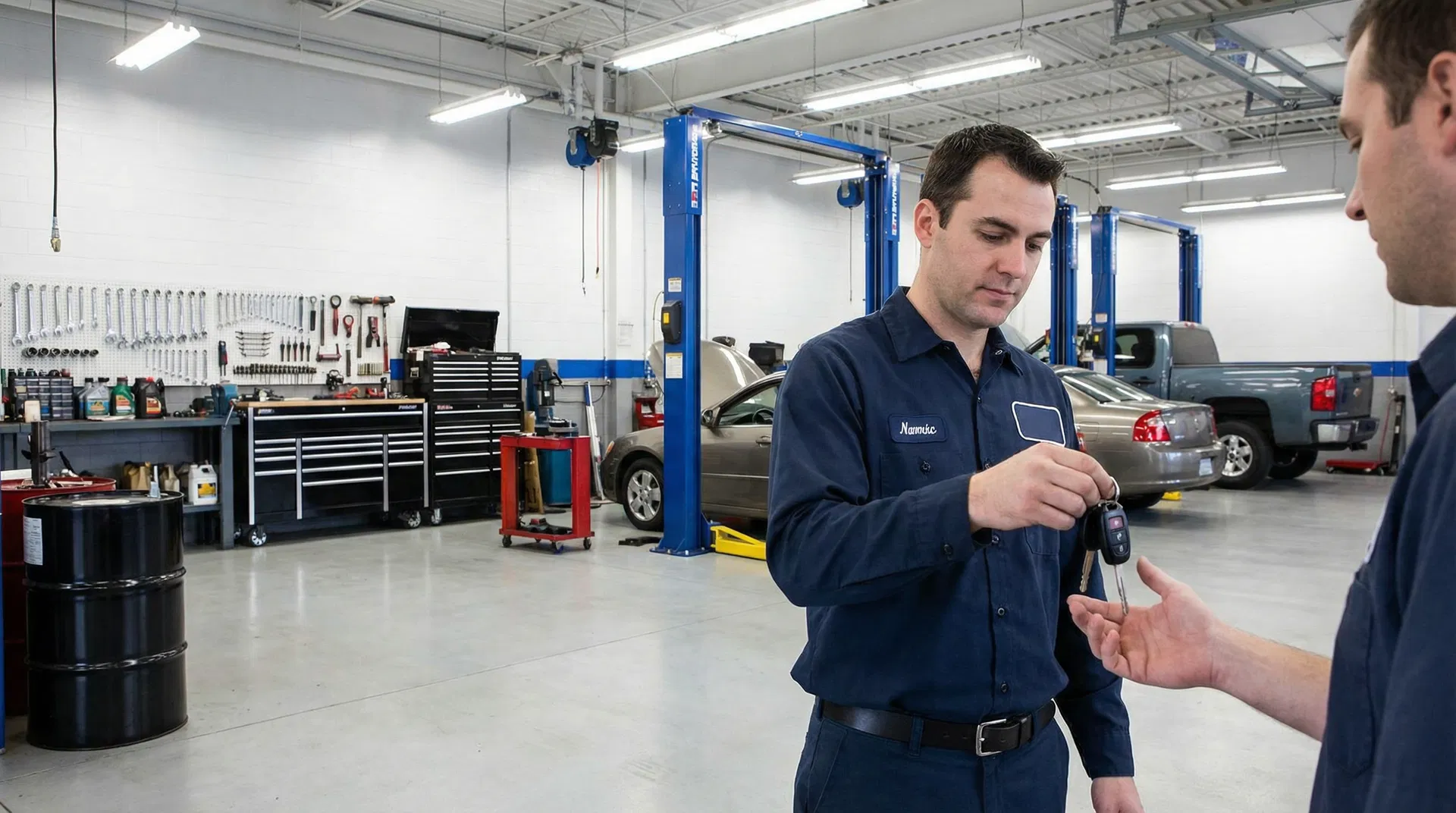
Every employee who drives a customer's vehicle, operates a tow truck, or works on vehicles in your shop is a potential source of liability. The more employees you have, the greater the probability of an incident — and the higher your limits should be. Businesses with 10 or more employees should strongly consider limits of $2,000,000 per occurrence or higher.
3. Inventory Value
Auto dealerships with significant vehicle inventory face unique exposure. A hailstorm, fire, or flood can destroy millions of dollars in inventory. While dealers open lot coverage addresses physical damage to inventory, your garage liability limits should reflect the scale of your operation and the potential for third-party claims arising from your lot.
4. Customer Vehicle Values
If your repair shop or dealership regularly handles high-value vehicles — luxury cars, collector vehicles, or commercial trucks — your garagekeepers coverage limits and your garage liability limits should reflect those values. Repairing or replacing a $150,000 vehicle out of pocket because your coverage was inadequate is a business-ending scenario for many shops.
5. Contractual Requirements
Many commercial leases, franchise agreements, and floor plan lenders require specific minimum liability limits as a condition of doing business. Always review your contracts carefully and ensure your coverage meets or exceeds all contractual minimums — which are often higher than state minimums.
Recommended Limits by Business Type
| Business Type | Recommended Per-Occurrence | Recommended Aggregate | Consider Umbrella? |
|---|---|---|---|
| Small Repair Shop (1–5 bays) | $1,000,000 | $2,000,000 | Optional |
| Large Repair Shop / Body Shop | $1,000,000–$2,000,000 | $2,000,000–$4,000,000 | Recommended |
| Used Car Dealer (small lot) | $1,000,000 | $2,000,000 | Optional |
| New Car Franchise Dealer | $2,000,000+ | $4,000,000+ | Strongly Recommended |
| Tow Truck Operator (1–3 trucks) | $1,000,000 | $2,000,000 | Optional |
| Tow Company with Yard / Fleet | $1,000,000–$2,000,000 | $2,000,000–$4,000,000 | Recommended |
The Role of Umbrella / Excess Liability
An umbrella policy provides an additional layer of coverage above your primary garage liability limits. For example, if you carry a $1,000,000 per-occurrence garage liability policy and a $2,000,000 umbrella, your effective per-occurrence limit is $3,000,000. Umbrella policies are typically very cost-effective — often adding $1,000,000 in additional coverage for a few hundred dollars per year — making them one of the best values in commercial insurance for automotive businesses.
Reviewing Your Limits Annually
Your business changes every year. If you've added employees, expanded your lot, taken on a new franchise, or increased your inventory, your liability exposure has grown. Make it a habit to review your coverage limits with your insurance agent at every renewal — not just when you first purchase the policy. An independent agent who focuses on garage liability, like the team at DealerLiability.com, can benchmark your limits against industry standards and identify gaps before they become claims.
The Bottom Line
Choosing the right garage liability limits is not about finding the cheapest option — it's about matching your coverage to your real-world exposure. The cost difference between minimum limits and adequate limits is often surprisingly small, while the financial protection difference can be enormous. Work with a licensed agent who understands the automotive industry to build a program that truly protects your business.